.png&w=128&q=75)
By Furnishings Editorial Team | Thu Jan 01 2026

Choosing the proper floor for a home is no longer just about looks. Homeowners now expect sturdiness, water resistance, smooth care and cost for money. Vinyl flooring residential solutions have gained strong traction in modern homes because they balance all these needs in one surface. This weblog compares vinyl floors with tiles and laminates to help you decide which option suits your space best. We will cover durability, comfort, maintenance, price and real-world use throughout not unusual residential areas such as bedrooms, kitchens and dwelling rooms.

Vinyl flooring is engineered for each day living. Unlike conventional surfaces, it is miles designed to handle moisture, effect and temperature adjustments without warping or cracking.
For homes with youngsters, pets, or high foot traffic, vinyl offers peace of thoughts without compromising style.
Laminate looks similar to vinyl but performs differently in real homes.
For homeowners seeking one flooring type across the entire house, vinyl is the safer long-term choice.
Vinyl flooring adapts well to every residential zone:
This versatility reduces the need to mix materials, creating a consistent interior look.
When planning to buy vinyl sheet flooring, focus on these features:
Quality vinyl may cost a little more initially, however it saves on maintenance, replacements and preservation over time
.
Homeowners regularly choose vinyl flooring as residential products for maintenance obligations because of the reality that they may be installed over current surfaces, decreasing downtime and mess.
Vinyl requires minimal effort:
Compared to tiles that need grout cleaning and laminates that fear water, vinyl remains the easiest option for busy households.

For modern residential use, vinyl offers the most balanced solution:
If your goal is a functional, modern and low-maintenance floor, vinyl stands ahead of both options.
Vinyl flooring gives a wiser opportunity for modern-day houses. It simplifies renovation, enhances consolation, and adapts to each room. If you are making plans for a maintenance or new installation, discover tailor-made vinyl answers with Furnishings and get professional guidance for your space.
Yes. It is warm, quiet, and free from hard impact, making it ideal for sleeping areas.
Yes. Vinyl is waterproof and slip-resistant, making it suitable for wet zones.
High-quality vinyl lasts 10–20 years with normal home use.
Yes. Vinyl reduces noise, handles moisture, and offers better durability.

Redefine your interiors with Carpet-tiles-789 – a stylish, durable, and versatile carpet tile solution for Malaysian homes and businesses. Shop now at WCD Malaysia.

Megalit Grey provides a clean, contemporary look that complements a wide range of interiors. Its neutral grey tone balances style and functionality, making it perfect for homes, offices, and commercial spaces.

Explore this premium flooring solution.
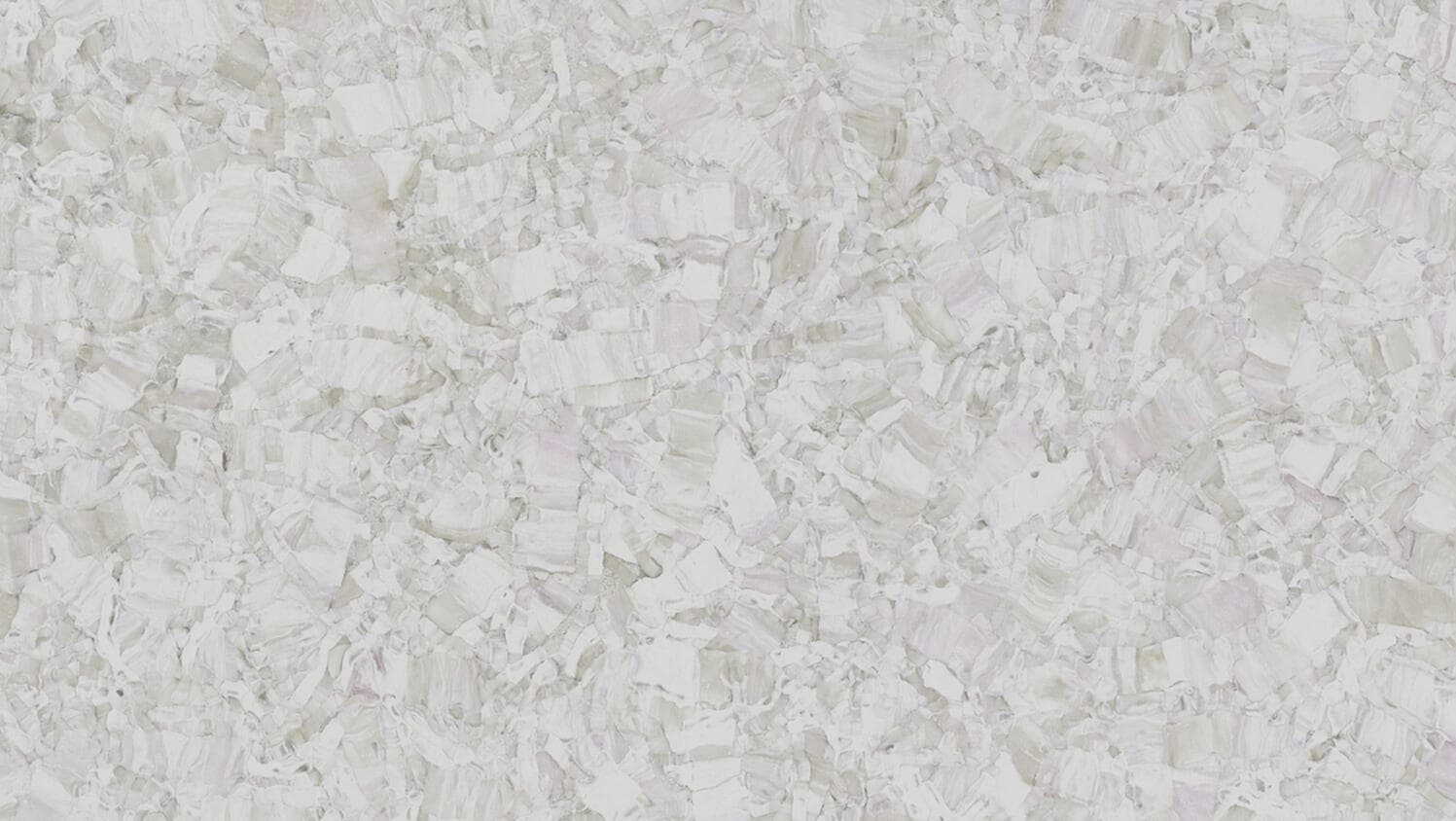
Megalit Light Grey creates a bright, contemporary atmosphere in any space. Its soft, neutral shade complements a variety of interior styles, making it ideal for homes, offices, and commercial environments.