.png&w=128&q=75)
By Furnishings Editorial Team | Thu Apr 30 2026

Water damage in bathrooms rarely looks dramatic at first. It starts small. A damp corner near the shower. Slight discoloration along the edges. Then one day, the floor feels uneven. Something underneath has already gone wrong.
Vinyl bathroom flooring silently pays off here. Bathrooms are unforgiving places. Moisture is constant. The heat is accumulated, the water is splashing daily, and cleaning is another aspect of exposure. Flooring, which is not able to handle this cycle, will fail in due course.
This blog dissects the performance of the vinyl flooring for bathrooms in the long term, what makes it different and what really counts when selecting it.
Bathroom floors deal with more than visible water. Humidity plays a big role, too. Steam from hot showers settles into surfaces. Tiny droplets slip into gaps you cannot even see.
Wood and laminate tend to absorb moisture. Tiles resist water better, but grout lines become weak spots. Vinyl takes a different approach. It blocks water at the surface level.
That shift makes a big difference over the years.
Vinyl is not just one flat layer. It is built with multiple layers that work together. Each one plays a role in resisting moisture and maintaining structure.
The top layer protects against scratches and stains. Beneath that, a printed layer creates the design. Then comes the core, which is designed to resist water. The backing layer adds stability.
This layered structure helps vinyl stay intact even with daily exposure to water and humidity.
It does not absorb moisture. It does not swell easily. That alone makes it suitable for bathrooms where conditions are constantly changing.
Seams are often the hidden problem in flooring. Water finds its way through even small gaps. Once it gets underneath, damage begins quietly. Waterproof vinyl sheet flooring reduces this risk by limiting seams.
Large sheets can cover most bathroom floors in one piece. Fewer joins mean fewer entry points for water. That creates a surface where moisture stays on top instead of slipping underneath.
The simplicity of sheet flooring often gets overlooked. But in bathrooms, it is one of the biggest advantages.

Tiles have been the standard choice for years. They look clean and feel solid. But they come with maintenance challenges that show up later. Grout lines are porous. They absorb moisture slowly. Even with sealing, they need regular upkeep.
bathroom sheet flooring removes that issue almost entirely. Instead of multiple pieces joined together, it creates a continuous surface. Water does not get the same opportunity to settle into gaps. Tiles can still perform well, but they demand more attention. Vinyl keeps things simpler.
Not all vinyl flooring performs the same. Some last for years without issues. Others start showing problems sooner than expected.
A few factors make the difference. The thickness of the material matters. Thicker vinyl tends to hold up better. The wear layer plays a role in protecting the surface. Installation quality is just as important as the material itself.
When these elements come together properly, moisture resistance becomes reliable, not just a marketing claim.
New flooring always looks good. The real test comes after a couple of years. Bathrooms fitted with vinyl flooring often show consistent performance. No swelling near wet zones. No visible warping. Cleaning stays simple.
There is also something people notice after living with it for a while. The floor feels stable. No soft spots, no hidden damage. That kind of reliability matters more than appearance alone.
Even the best material can fail if installed poorly. Water does not need a large opening. Small gaps are enough.
Proper installation focuses on sealing edges, preparing the subfloor, and ensuring the surface is even.
Skipping these steps leads to problems that appear later, not immediately.
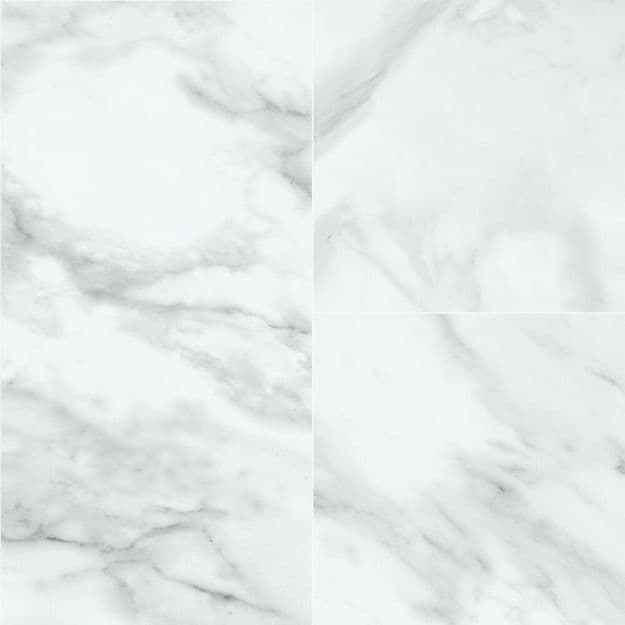
Vinyl used to look artificial. That is no longer the case. Modern designs offer realistic textures that mimic wood, stone, and even marble. The finish looks refined without sacrificing performance.
This balance between design and function is what makes vinyl appealing today. It fits into both modern and traditional bathroom styles without looking out of place.
Vinyl flooring does not require complicated care routines. Still, a bit of attention helps it last longer.
Daily cleaning is simple. Mild cleaners work well. Harsh chemicals are not necessary and can sometimes damage the surface over time.
Occasional checks around edges help ensure everything stays sealed. The overall effort remains low, which is part of its appeal.
Some issues are easy to overlook during installation or early use. Choosing very thin vinyl sheets can lead to faster wear. Ignoring minor lifting at edges allows water to seep in. Installing over a damp base creates long-term problems.
These are small decisions at the start, but they have long-term consequences.

Bathrooms that are used a lot should be able to maintain their flooring and not only at the beginning.
Vinyl can cope with this since it is resistant to water, does not change shape and does not need Vinyl That consistency is what makes it reliable over time.
Bathrooms are hot and cold. Hot showers increase the temperature rapidly and then decrease. Certain substances are contractile and expansive to these changes. With time, such a movement forms cracks or gaps. Vinyl flooring is more stable under such conditions. It is responsive to an extent without retaliation. That helps it to retain its shape even after being exposed to heat and moisture. This stability will contribute to resistance to moisture in the long-term as the number of gaps will decrease the number of points where water access can happen.
Water slides down and remains under until the time that the floor begins to feel soft or uneven. Vinyl forms a protective coating that restricts this danger. It can be installed in a proper manner and it serves as a barrier. Water does not spread but rather remains on the surface. That will reduce the chances of mould, smell and structural damage which can take months to show up.
Moisture is the biggest challenge in any bathroom. Flooring that cannot handle it will eventually fail, no matter how good it looks at first.
Vinyl flooring offers a practical solution. It blocks water, reduces weak points like seams, and stays stable even with daily exposure. The result is a surface that lasts longer with less effort.
Most of the common problems can be avoided by selecting the appropriate material, installation and easy maintenance.
Solutions provided by Furnishing bring in that balance to actual spaces for homeowners and businesses seeking long-term performance without constant maintenance.
Vinyl flooring is designed to be highly water-resistant, and many types are fully waterproof. It does not absorb moisture like wood or laminate, which makes it ideal for bathrooms. However, proper installation and sealing are essential to ensure water does not seep underneath.
Vinyl flooring creates a protective surface that blocks water from penetrating lower layers. Its multi-layer structure resists swelling, warping, and mold growth, helping maintain stability even with constant exposure to humidity and water.
Sheet vinyl often performs better in moisture-heavy areas because it has fewer seams. Tiles rely on grout lines, which can absorb water over time. Sheet vinyl reduces entry points for moisture, making it easier to maintain and more resistant to hidden damage.
With proper installation and basic maintenance, vinyl flooring can last many years in a bathroom. Its durability depends on factors like thickness, wear layer quality, and how well the edges and seams are sealed.
Yes, vinyl flooring adapts well to temperature fluctuations and humidity. Unlike some materials that expand and contract significantly, vinyl remains stable, which helps prevent cracks or gaps where moisture could enter.
Maintenance is simple. Regular cleaning with mild solutions, avoiding harsh chemicals, and occasionally checking edges for proper sealing are usually enough. Keeping the surface clean and intact helps maintain its moisture resistance over time.

Explore this premium flooring solution.
Explore this premium flooring solution.

Explore this premium flooring solution.

Versafloor PG20266 rustic stone vinyl sheet offers earthy, textured flooring for Malaysian interiors. Durable, water-resistant, and low-maintenance – shop now at Furnishings.com.my.