.png&w=128&q=75)
By Furnishings Editorial Team | Sun Dec 21 2025

The flooring of the bathrooms should be in a position to handle the continuous flow of moisture, changes in temperature and daily movement without affecting their safety or overall appearance. The material used is also significant to prevent water damage problems, slipping and protracted maintenance troubles. This blog describes the appropriate vinyl flooring for bathrooms, based on the performance of waterproof properties, resistance to slipping and the convenient construction. It will also assist the homeowner and the owners of commercial properties to know the best type of vinyl to use in various types of bathrooms and their levels of usage.
Vinyl flooring is made to suit wet conditions, where conventional ones may collapse. The new vinyl products have protective layers that withstand the penetration of moisture and wear of the surfaces.
Key benefits include:
These characteristics render vinyl flooring the perfect material to use in the bathrooms both at home and in the business environment.

One of the best products to be used in the bathrooms is sheet vinyl because it can be installed seamlessly. The large rolls also minimize the number of joints, hence minimizing the places where water may seep through.
For high-moisture zones such as shower-adjacent floors, bathroom sheet flooring provides consistent performance and durability.
SPC vinyl features a rigid core that offers stability and impact resistance. While often installed in planks or tiles, it performs well in bathrooms when installed correctly.
Proper edge sealing and professional installation are critical to ensure long-term waterproof performance.
Bathrooms are very dangerous places that can cause falls. Flooring made of vinyl to be used in wet areas has wear layers or anti-slip coating, which is textured.
When selecting bathroom vinyl flooring, look for:
Slip-resistant vinyl is especially important for households with children, elderly users, or commercial washrooms with frequent use.

Residential bathrooms typically prioritize comfort and aesthetics, while commercial bathrooms focus on durability and safety compliance.
Selecting the right vinyl type depends on how the space is used and maintained.
In a bathroom environment where waterproofing and safety are paramount, vinyl flooring is a cheap and resistance strategy of flooring. Bathrooms can be used, safe and aesthetically the same by selecting the correct vinyl format, surface texture and professional installation which lasts for years. Should you require professional advice and solutions, visit Furnishing to find the best vinyl flooring to install in the bathroom according to your requirements.
Yes, high-quality vinyl flooring is designed to resist water penetration when installed correctly.
Textured sheet vinyl with slip-resistant properties offers the best safety in wet conditions.
Sheet vinyl can be used near shower zones if seams and edges are properly sealed.
With proper installation and maintenance, vinyl flooring can last 10–20 years depending on usage.

Megalit Old Brick introduces a warm, rustic character to interiors. Its unique brick-inspired tone creates a cozy and inviting atmosphere, making it ideal for both contemporary and traditional design styles.

Explore this premium flooring solution.
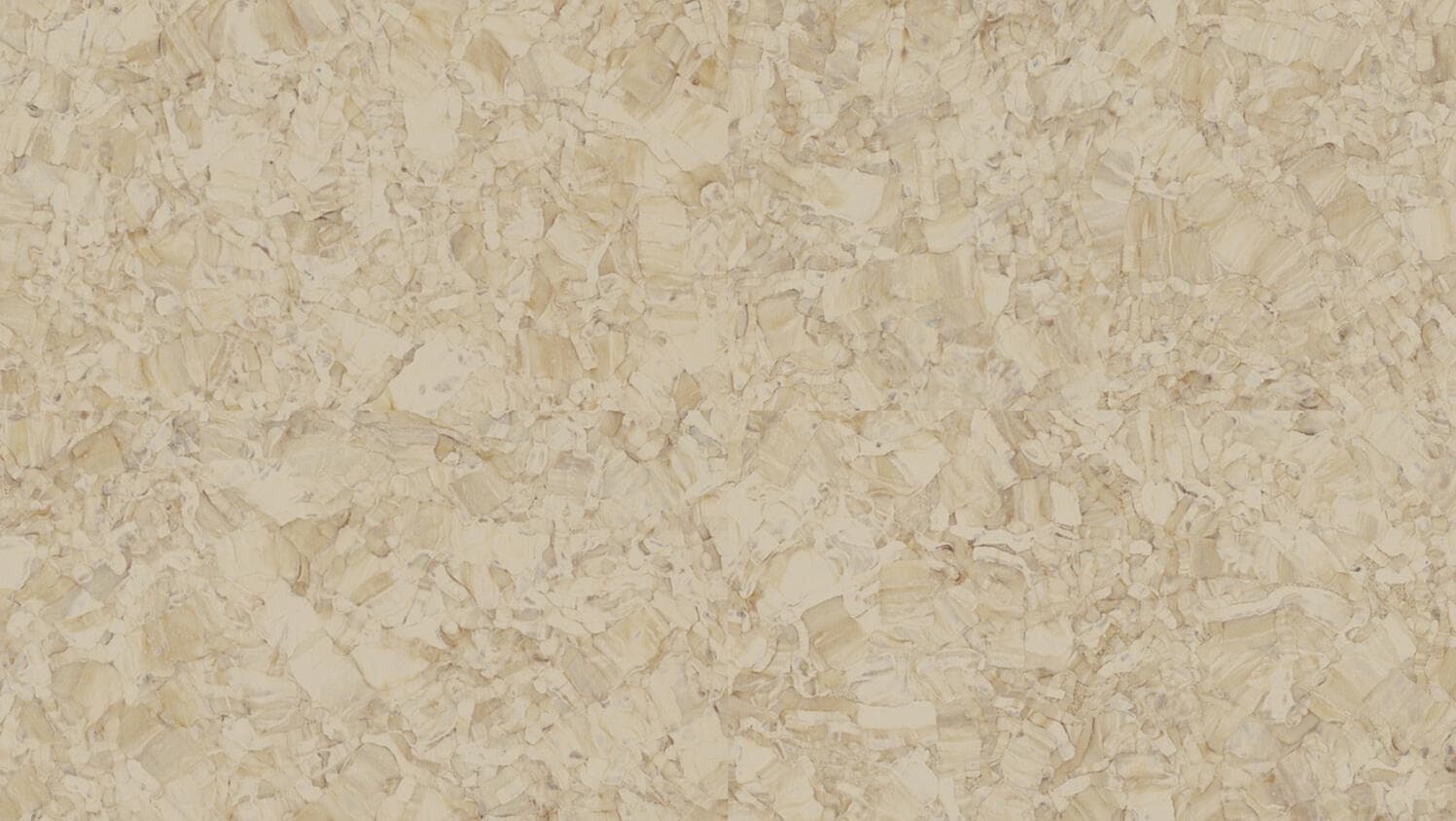
Megalit Beige offers a soft, inviting tone that brightens up interiors while maintaining a natural balance. Its classic neutral shade pairs effortlessly with any décor, making it ideal for creating warm, welcoming spaces at home or in professional settings.
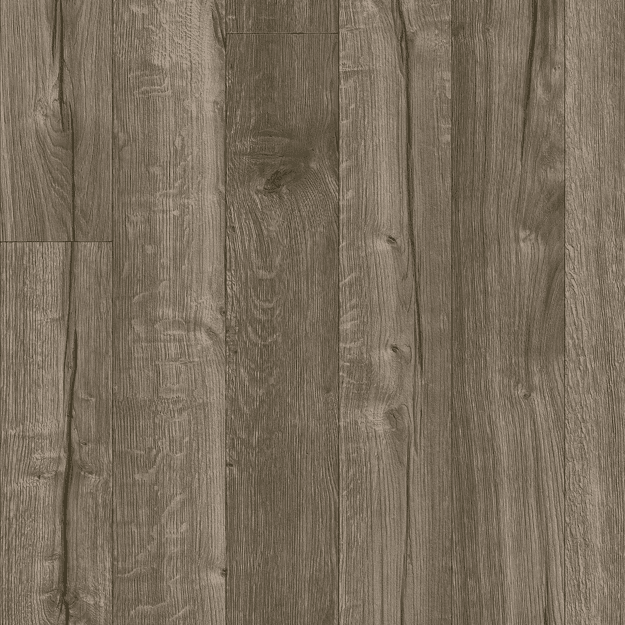
Explore this premium flooring solution.