.png&w=128&q=75)
By Furnishings Editorial Team | Sun Apr 26 2026

Many people think all flooring sheets are the same until something goes wrong. Scratches appear too quickly. Edges start lifting. The shine fades way earlier than expected. That is when the question hits. What actually makes one PVC vinyl flooring sheet better than another?
Material grade is the answer most buyers miss. This blog simply clears the confusion. It explains how grades work, how to spot high quality vinyl sheet flooring, and how to avoid paying for something that will not last.
Material grade is not just a label. It reflects how strong, stable, and long-lasting the flooring is.
Flooring of higher grade is much better in bearing pressure, movement and moisture. The less exalted ones tend to resemble each other but disintegrate more quickly in daily wear.
A slight difference in grade can change the lifespan by years. That is not an exaggeration. It shows up in real homes and commercial spaces all the time.
A lot of decisions are based on appearance. A wood finish that looks clean. A marble pattern that feels premium. Those things matter, but they are not the full picture.
A homeowner once chose a cheaper vinyl sheet for a rental apartment because it looked identical to a premium one. Within months, chair marks and dull patches started showing. The savings did not last long.
Material grade decides how the flooring behaves after installation. That part is not visible on day one.
Not every sheet is built for the same purpose. Understanding the categories makes selection easier.
Used in spaces with very low movement. It has a thin surface layer and a softer core. Works fine for temporary setups, but not ideal for long-term use.
A balanced option for moderate usage. It offers decent durability and better resistance compared to basic grade. Commonly used in bedrooms or small office setups.
Herein lies the superior quality vinyl sheet flooring. Constructed to be used extensively and to last. Hard upper surface, heavy metal and enhanced wear and tear resistance. It feels more stable and keeps its finish longer.

Every vinyl sheet has layers. Each one plays a role in performance. The top wear layer protects against scratches and stains. Thicker layers last longer.
Below that sits the printed layer. This gives the design. Higher grade sheets have sharper and more natural-looking finishes.
The core layer provides strength. A denser core resists dents and keeps the sheet stable even with temperature changes. At the bottom, the backing layer supports installation and reduces movement.
These layers together define whether the product qualifies as high quality vinyl sheet flooring or not.
Marketing terms can confuse things. Words like premium or luxury are used loosely.
A slightly heavier sheet often means better material composition. It is not a rule, but it is a useful signal.
Technical details help, but actual performance matters more. A retail space once tested two vinyl sheets side by side. Same color, same design, different grades. After several months of foot traffic, the difference was obvious. One section showed wear lines and fading. The other still looked consistent. Nothing changed except the material grade. This is why experienced contractors rarely compromise on quality for high-use areas.

Not every room needs top-grade flooring. Smart selection saves cost without sacrificing performance.
Choosing the best quality vinyl sheet flooring where movement is high reduces repair and replacement stress later.
Even a high-grade sheet can fail if installed poorly. Glue-down installation works well for busy areas because it keeps the sheet firmly in place. Loose installation methods are easier but not always suitable for heavy use.
Improper installation often leads to issues like uneven surfaces or edge lifting. These problems are sometimes blamed on the product, but they usually start during fitting.
Vinyl flooring does not demand much care, but the grade affects how easy it is to maintain.
Higher grade sheets are more forgiving. They handle daily wear without showing damage quickly. Lower grades need more careful handling.
A well-chosen vinyl sheet can last over a decade. Poor quality ones may need replacement much sooner.
Lower price feels attractive at first. That is natural. But flooring is not a short-term purchase. Replacement costs, labor, and downtime add up. A slightly higher investment in quality often reduces total expense over time.
The real question is not how much it costs today. It is how long it performs without problems.
The flooring market is evolving. Buyers are asking more questions now. Suppliers are focusing more on durability and realistic finishes.
New sheet products of PVC vinyl flooring are advancing in their areas of texture, slip protection and environmental safety. Material grade is becoming a key selling point rather than a hidden detail. This shift is helping buyers make smarter decisions.
In damp climates, the lower-grade sheets are apt to swell, to become a little softer, and lose their hold with time. That gives rise to bubbles or irregular surfaces. The material of higher grades is constructed in a way that it does not change shape when subjected to moisture. They remain constant even with variations in temperature during the day. This is one of the reasons why most professionals do not use basic-grade sheets in tropical areas. The content is just not able to keep pace.
A domestic area is moved around, whereas a shop or an office is full of pressure, pushing furniture, and cleaning. In such a state, lower-grade sheets are easily worn out. A high-grade vinyl copes with it due to its thicker core and more powerful surface layer. It does not simply outlive. It does not lose its appearance, and this is significant in business settings where flooring displays the general quality.
Material grade quietly controls everything. Durability, looks, maintenance, and general satisfaction.
It prevents most of the errors and contributes to improved long-term outcomes. The flooring is not a thing that you need to worry about. It needs to work, day after day, without attracting attention to it and the wrong reasons.
Working with experienced providers like Furnishing makes this process simpler. The right advice, the right material, and proper installation bring everything together in a way that actually lasts.
Basic grade has thinner layers and lower durability. High-quality vinyl sheet flooring offers better resistance, longer life, and stronger structure.
Check wear layer thickness, warranty, and usage suitability. Match the grade with how much traffic the area gets.
Yes, but higher-grade sheets perform better in humidity. They resist moisture and maintain stability over time.
Not always, but thickness combined with a strong wear layer usually indicates better durability and performance.
With proper care, it can last 10 to 15 years or more, depending on usage conditions.
Yes, high-grade sheets are specifically designed for commercial use where durability and resistance are important.

Explore this premium flooring solution.
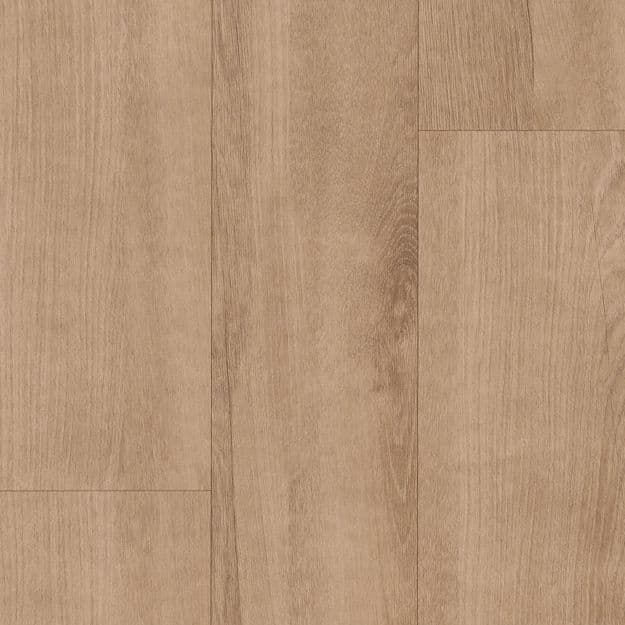
Explore this premium flooring solution.

Explore this premium flooring solution.

Explore this premium flooring solution.