.png)
By Furnishings Editorial Team | Fri Apr 17 2026
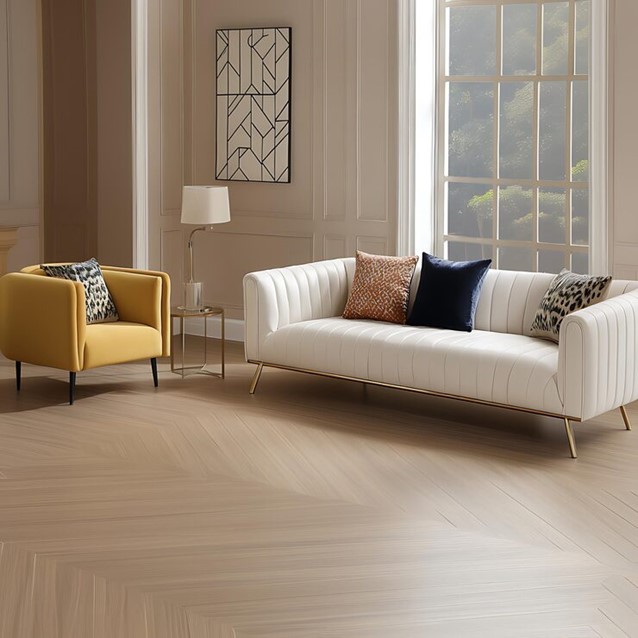
Humidity in Malaysia does not take a break. Floors deal with moisture almost every day, whether it is from rain, spills, or just the air itself. That is where PVC flooring in Malaysia starts to stand out. Not because it is trendy, but because it quietly solves problems people keep running into with older materials.
There are still plenty of homeowners who adore tiles, marble or hardwood. All right, they look good. But looks are not as important as performance. This blog takes a tour of the actual differences, those that actually appear after months of use, not just those in a showroom.
PVC flooring, often grouped under artificial flooring, is made using synthetic materials designed to copy natural textures. Wood grains, stone patterns and even tile looks can be replicated quite closely now. It is not trying to be natural. It is trying to be practical.
That small shift in purpose changes everything. Especially in a place like Malaysia, where weather conditions do not play nicely with traditional materials.
Wood, tiles, and stone have been around for decades. People trust them because they have seen them last.
Hardwood flooring gives warmth. Marble brings a polished, premium look. Tiles are widely used because they are durable and familiar.
But here is the thing. These materials were not originally designed for constant humidity and temperature shifts. They work, but they need effort to keep working well.
This is where differences become obvious. Wood reacts to moisture. It expands, contracts and sometimes even warps. Over time, small gaps can appear. Maintenance becomes part of life.
Tiles handle water better, but grout lines collect dirt and can develop mold if ignored. Cracks may also appear with impact or movement.
PVC flooring behaves differently. It does not absorb water at all. That alone removes a big chunk of long-term risk.
This makes it a strong option in flooring in Malaysia, especially in homes where weather exposure is unavoidable.
Water is the quiet enemy of flooring. Traditional materials respond in their own ways. Wood stains easily. Marble can lose its finish. Tiles resist water, but the cleaning effort shifts to grout maintenance.
PVC flooring simplifies things. It is designed to handle water without damage. Cleaning becomes straightforward. A mop and mild cleaner usually does the job. There is no need for polishing or sealing. That saves both time and money over the years.
A lot of decisions start with the upfront cost. That is normal. But flooring is a long-term investment. Wood and marble tend to cost more at the beginning. Then come the hidden costs. Repairs, refinishing, sealing, and occasional replacements.
PVC flooring usually starts at a lower price point. The bigger difference shows later.
Over several years, artificial flooring often ends up being more cost-efficient. This is one reason why commercial spaces are shifting towards it.
Renovation delays can be frustrating. Traditional flooring installation takes time. Tiles need setting and curing. Wood requires precise fitting and finishing.
PVC flooring is quicker to install. Some systems are designed for easy fitting, which reduces both time and labor.
This is especially useful in offices or retail spaces where time directly affects business operations.
Walking across different floors gives very different experiences. Tiles can feel hard and cold. Stone can be slippery when wet. Wood feels warmer but needs care to maintain that comfort.
PVC flooring is a softer floor. It offers a little cushioning to allow standing for long periods to be comfortable.
Another minor advantage is noise reduction. It is also better sound absorbing than tiles, which is beneficial in apartments or shared buildings.
Sustainability is a topic of discussion. Natural resources such as wood rely on sustainable sourcing. There are also environmental effects of stone extraction.
PVC flooring is synthetic, and as such, it raises other concerns. More recent models, however, are being designed with more recyclable parts and reduced emissions.
In a practical sense, durability is an issue. A more durable floor that requires less replacement can decrease the total waste.
One of the small cafes in a busy area in Kuala Lumpur replaced wooden flooring with PVC following a series of problems associated with moisture at the entrance. Cleaning became easier. Maintenance dropped. Months of heavy usage had not worn the floor out.
Where a homeowner had the desire to make a residential apartment quieter, he/she substituted tiles with vinyl planks. Neighbor complaints were reduced nearly instantly. These are not radical changes. Only sensible ones that are beneficial to everyday life.
The decision does not need to be complicated. It just needs to be honest.
Consider how the space is used. Think about cleaning habits. Be realistic about maintenance.
The right choice depends on what matters more in daily life.
Flooring is really tested in places with high pedestrian traffic. Hallways, retail stores, and offices are constantly moved, dragged, and even spilt over. The conventional materials are more likely to wear out in these areas. Wood scratches, tile chips, and grout stains gradually develop. PVC flooring withstands such pressure. Its wear layer is designed to deal with friction, and the finish is not easily lost. Flooring Malaysia is now mainly inclined towards PVC due to its consistency even after intensive daily utilization.
First sight has the ability to receive all the focus, but day-to-day maintenance is a different story. The conventional flooring requires regular maintenance. Wood has to be polished, stone has to be sealed, and tiles introduce routine grout cleaning in the picture. This is a cycle that cannot be avoided with time. PVC flooring will lessen that load. Washing remains easy and foreseeable; no special care is needed. This distinction might not appear to be significant initially, but in months and years, it will be one of the largest factors that drive people to artificial flooring.
Both PVC flooring and traditional flooring materials are valuable. This is because of the difference in the way they work after installation, and not the way they appear on the surface.
The climate of Malaysia puts materials to the test. Floors should be able to withstand moisture, temperature and daily wear without having to be maintained every day.
PVC flooring practically answers those needs. Traditional materials still bring natural beauty, but they demand more attention over time.
The shift toward artificial flooring is not just about trends. It reflects changing priorities. Less maintenance, more durability, and better performance in real conditions.
For those looking to balance style with function, Furnishing provides solutions that actually hold up in everyday Malaysian environments.
PVC flooring Malaysia is commonly used in homes, offices, and commercial spaces because it is waterproof and easy to maintain.
Yes, artificial flooring like PVC is designed to resist moisture, making it ideal for humid environments.
PVC flooring requires less maintenance and offers better water resistance, while traditional materials focus more on natural aesthetics.
Yes, PVC flooring works well in wet areas because it does not absorb water.
High-quality PVC flooring can last many years with minimal wear when installed properly.
It performs well in humid conditions, costs less over time, and is easier to maintain compared to traditional materials.
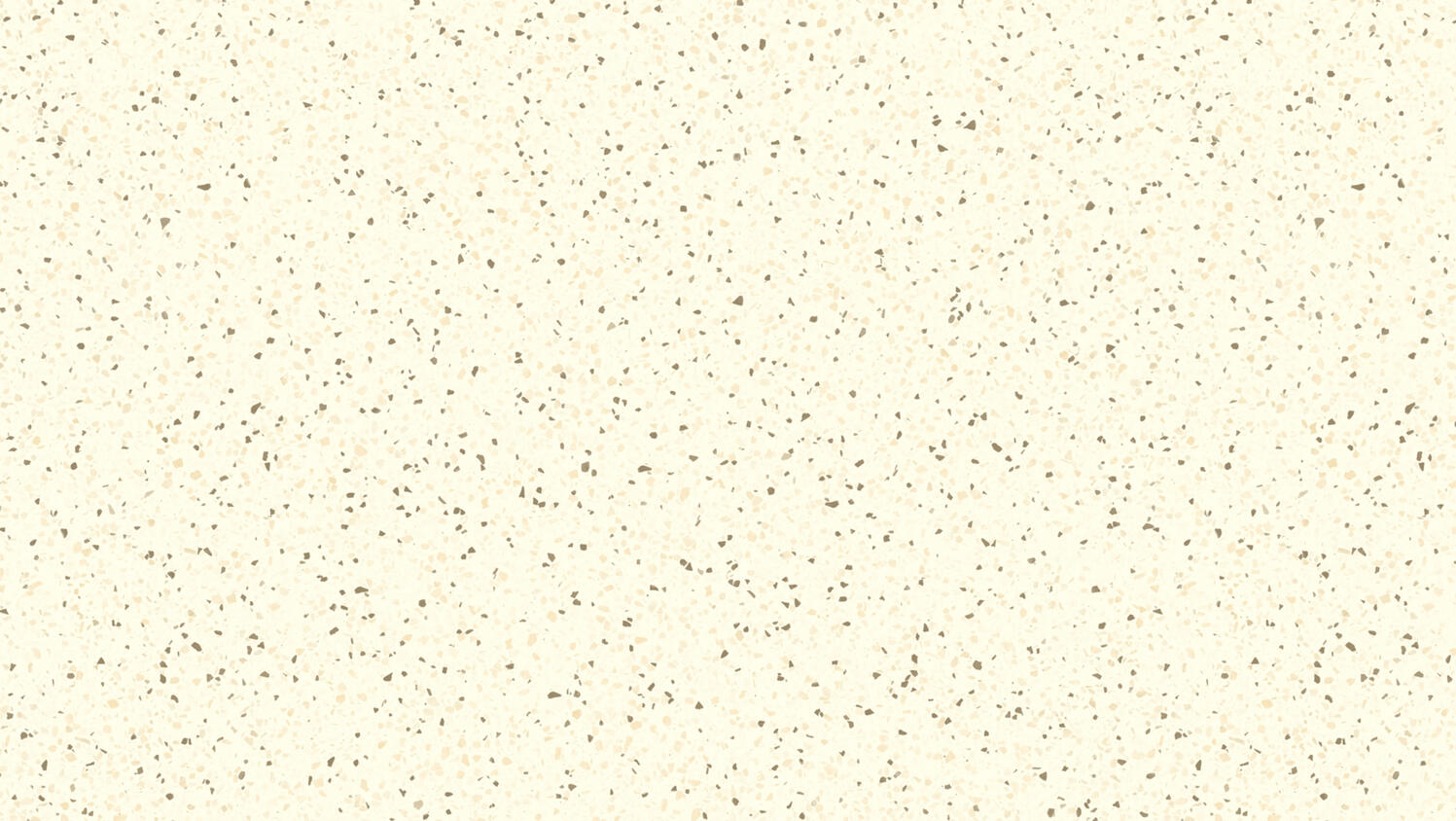
Topaz 70 Terrazzo Matera Clay is part of the Topaz 70 collection of vinyl sheet flooring, in the Terrazzo Matera design and the Clay colourway. It carries a Class 34 (very heavy) commercial rating and a Class 43 (heavy) industrial rating, with a Top Clean surface treatment.
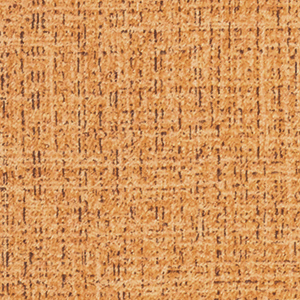
VERSAFLOOR – Durable and stylish vinyl sheet flooring ideal for both industrial and residential spaces, offering comfort, easy maintenance, and modern design.
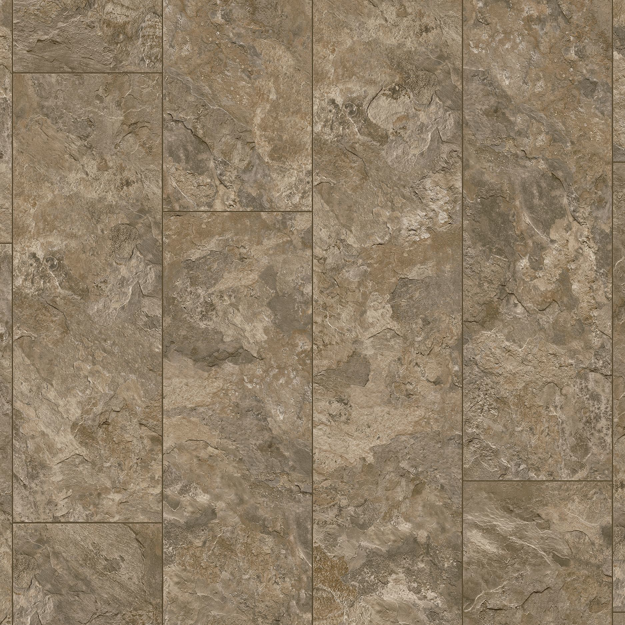
Versafloor Slate Vinyl Sheet Old Muscat is a vinyl sheet flooring design in the Versafloor Slate range, shown in the Old Muscat colourway. Available through Furnishings Malaysia with a free quotation. Product code G2516.
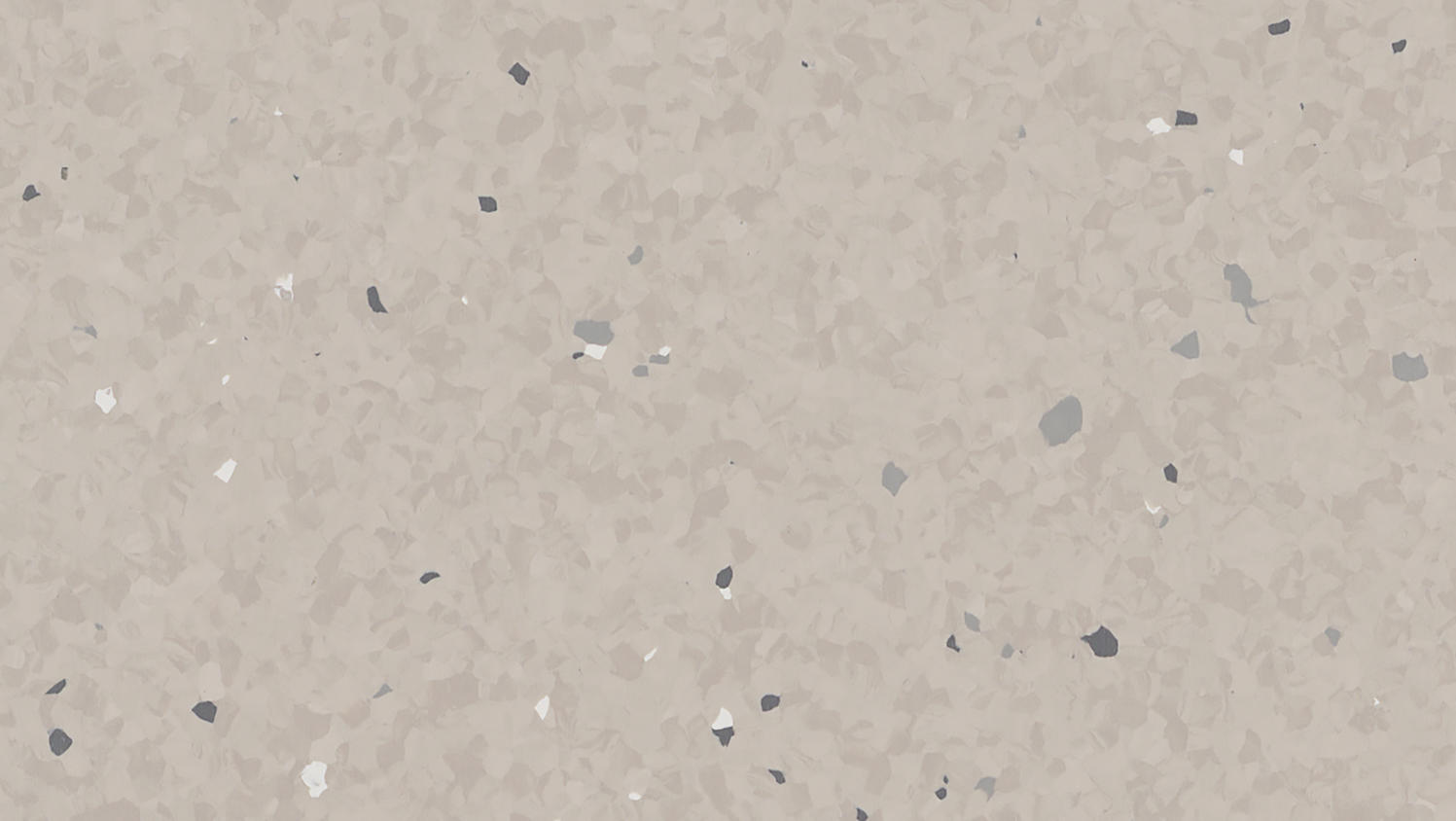
This earthy shade creates a calm, welcoming feel, offering both natural character and long-lasting performance.