.png&w=128&q=75)
By Furnishings Editorial Team | Mon Jan 12 2026

Choosing the right floor is more than a design choice. It affects comfort, safety and daily use. For Malaysian homes, climate and lifestyle also matter. This blog explains how home flooring solutions can be matched with common interior styles, so every room looks right and performs well. You will learn which materials suit each style, what to consider for humid conditions, and how to balance design with long-term value.
Each interior style has a purpose. Modern homes focus on clean lines. Rustic spaces highlight warmth. Minimalist rooms need calm tones. The wrong floor can break this balance.
Good flooring should:
Matching these needs avoids costly replacements later.

Modern interiors use neutral colors, open layouts, and smooth finishes.
These floors reflect light and keep rooms bright without being glossy.
Minimalist homes focus on space and calm. Floors should stay subtle.
The goal is a quiet base that lets furniture stand out.
Rustic interiors bring warmth and texture.
These floors keep the charm of timber while staying practical.
Industrial homes use concrete looks and bold accents.
Pair with dark furniture for a balanced finish.
Design is only one part of the decision. Malaysian homes face humidity, heat, and heavy use.
Consider:
These points matter as much as color.
Many buyers also ask about flooring solutions before choosing. Price varies by:
Understanding these factors helps plan a realistic budget.

Use this simple checklist:
This process keeps choices focused and efficient.
When comparing options, remember that quality home flooring solutions prices reduce long-term costs. A durable floor lasts for years with minimal repair.
Matching floors with interior styles creates harmony across the home. Modern spaces need clean tones. Rustic rooms need warmth. Minimalist layouts need calm surfaces. The right material supports both design and daily life.
Good planning, clear priorities, and smart budgeting make every room work better.
Explore expert guidance and tailored options with Furnishings.
Waterproof vinyl and PVC flooring perform best. They resist swelling, mold, and damage.
Quality vinyl floors last 10–20 years with proper care.
Some quotes include installation. Others separate material and labor. Always confirm.
Yes. Many homeowners use vinyl throughout for a seamless, low-maintenance finish.
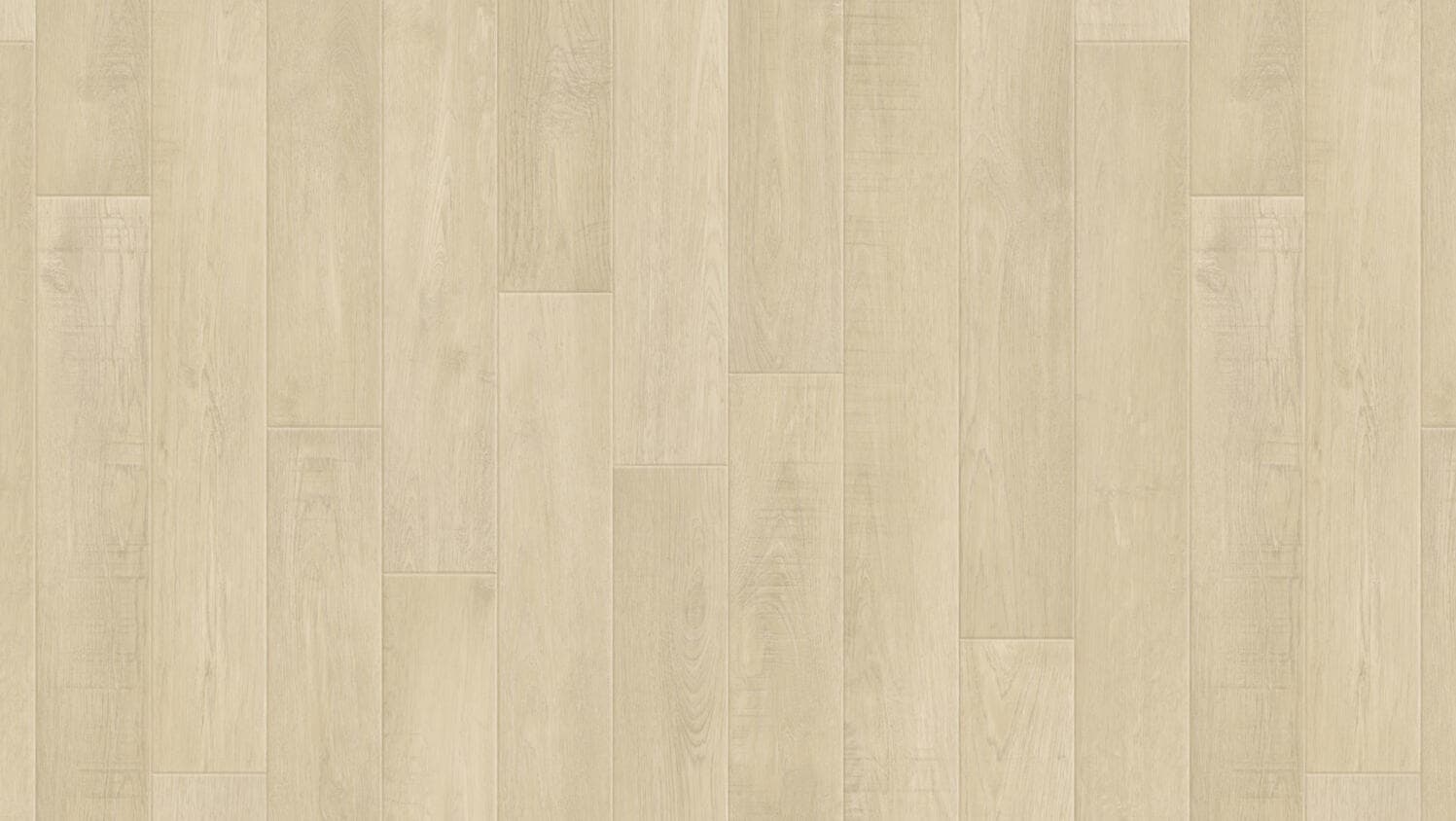
Explore this premium flooring solution.
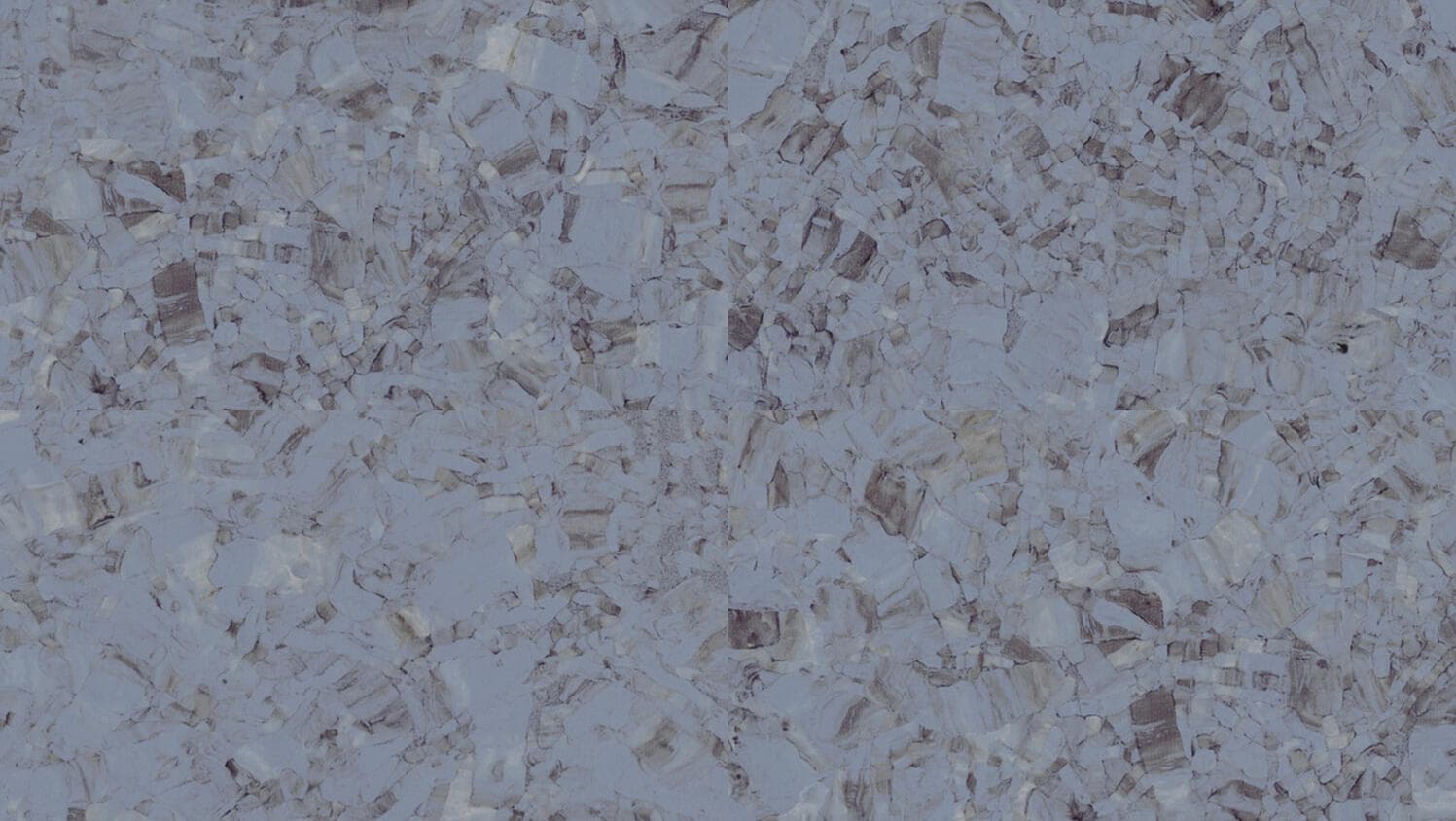
Megalit Graphite Blue adds a contemporary, sophisticated touch to any space. Its deep blue-grey tone brings elegance and depth, creating a stylish atmosphere suitable for modern homes, offices, and commercial interiors.

VERSAFLOOR – Premium vinyl sheet flooring crafted for style, strength, and simplicity, ideal for both commercial and residential settings.

Explore this premium flooring solution.