.png&w=128&q=75)
By Furnishings Editorial Team | Thu Jan 15 2026

Fake flooring products are extensive in residential, office and business areas in Malaysia. They are trendy as they are durable, easy to maintain and uniformly designed at a regulated price. To the property owners and designers, selecting the appropriate flooring is not merely a matter of aesthetics, but also of functionality in moist and busy environments. This blog discusses the advantages of z and artificial flooring tiles that helps buyer in making an informed decision depending on the usage, environment and long-term value.
Artificial flooring means the artificial floors that resemble the natural surfaces like wood, stone or concrete. These are designed as strong, moisture-free and easy-to-install floors.
Common types include:
These options are widely used in residential units, retail spaces, offices, and hospitality projects.

Artificial flooring works in humid and tropical climates. The majority of the options will not be damaged by water, warped or molded and hence can be used in the kitchens, bedrooms and the interiors of a business establishment.
Artificial flooring is generally cheaper to buy and put in place as compared to natural flooring which could be made up of wood or stone. A lot of systems take the form of click-lock or glue-down systems, which save time.
Man-made flooring offers uniform patterns and colors. This helps maintain a clean and professional look, especially in large spaces like offices or retail stores.
Cleaning requirements are minimal:
This makes artificial flooring practical for busy households and commercial settings.
While durable, artificial flooring may not last as long as solid hardwood or natural stone. Over time, heavy wear can cause surface fading or scratches.
Damaged sections often need full plank or tile replacement rather than simple refinishing. This can be inconvenient if matching designs are discontinued.
Some materials may expand or discolor under direct sunlight or excessive heat. Proper installation and spacing help reduce this issue.

Artificial flooring tiles are modular flooring units designed for easy handling and replacement. They are commonly used in offices, showrooms, and commercial buildings.
However, visible seams and joints may affect aesthetics if installation quality is poor.
When selecting artificial flooring, consider:
Budget and maintenance expectations
Matching the flooring type to the space ensures better performance and long-term satisfaction.
Artificial flooring solutions provide flexibility in cost, durability, and design. They can be used as an alternative to natural materials in lifespan, but they are convenient to use in modern life and in business. The advantages and disadvantages give the buyers an opportunity to select the appropriate alternative for their room and environment.
To be guided professionally and install the perfect flooring solutions, visit Furnishings with the purpose of finding the right flooring.
FAQs
Yes, most artificial flooring options are designed to handle moisture and humidity effectively.
Depending on material quality and usage, it typically lasts 10–20 years.
Yes, individual tiles can usually be removed and replaced without disturbing the entire floor.
No, regular cleaning with basic tools is sufficient for long-term upkeep.

Upgrade your home with Versafloor Vinyl Sheet PM20157. Durable, waterproof, and stylish vinyl flooring for any room. Shop top-quality vinyl sheet flooring in Malaysia today!
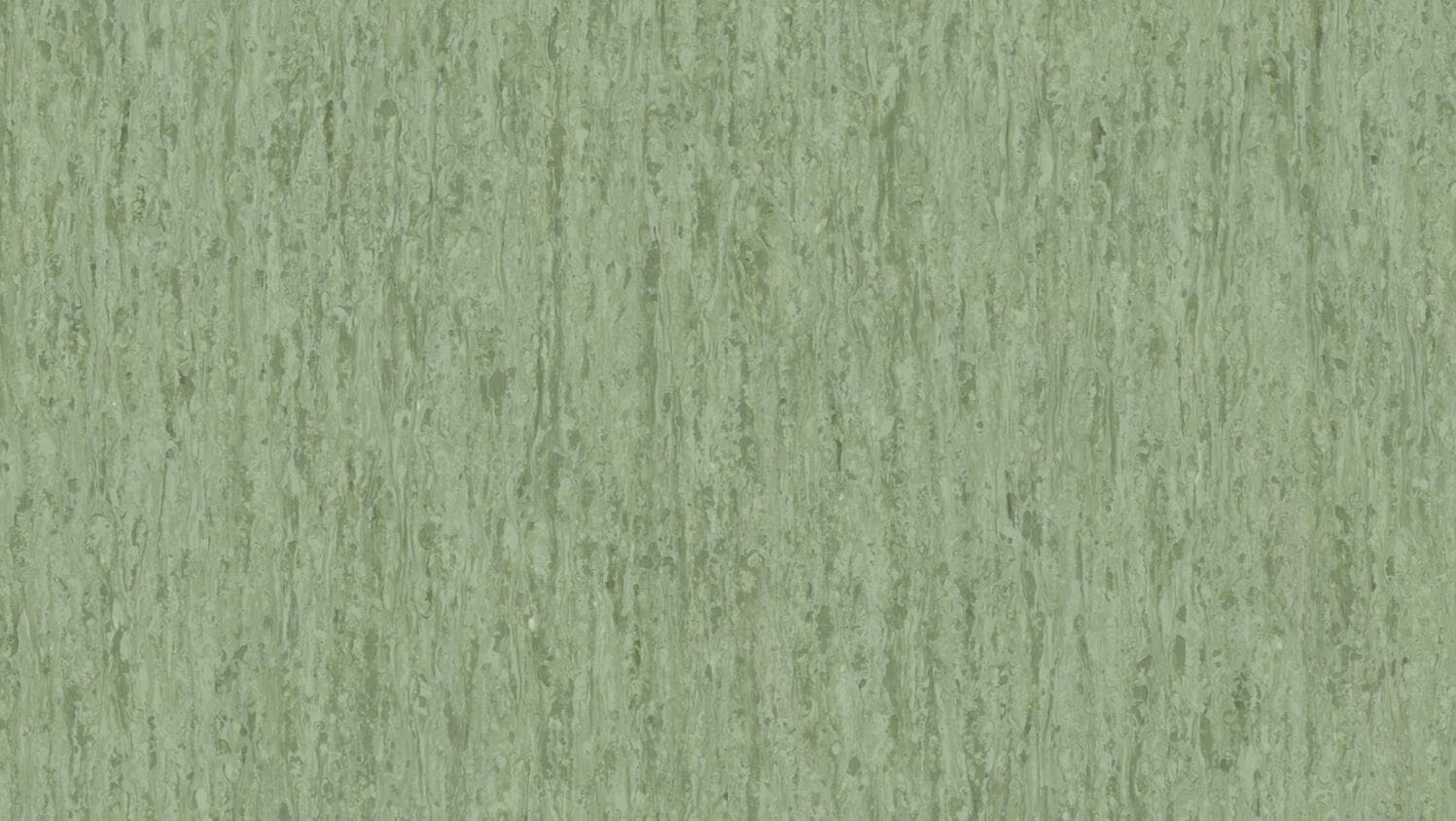
The olive green shade adds natural depth and a sophisticated touch to interiors, creating a balanced foundation that works with both modern and traditional styles. Its earthy tone enhances warmth and harmony, making it ideal for homes, offices, and commercial spaces. Produced with renewable materials, this flooring blends sustainability with lasting durability.
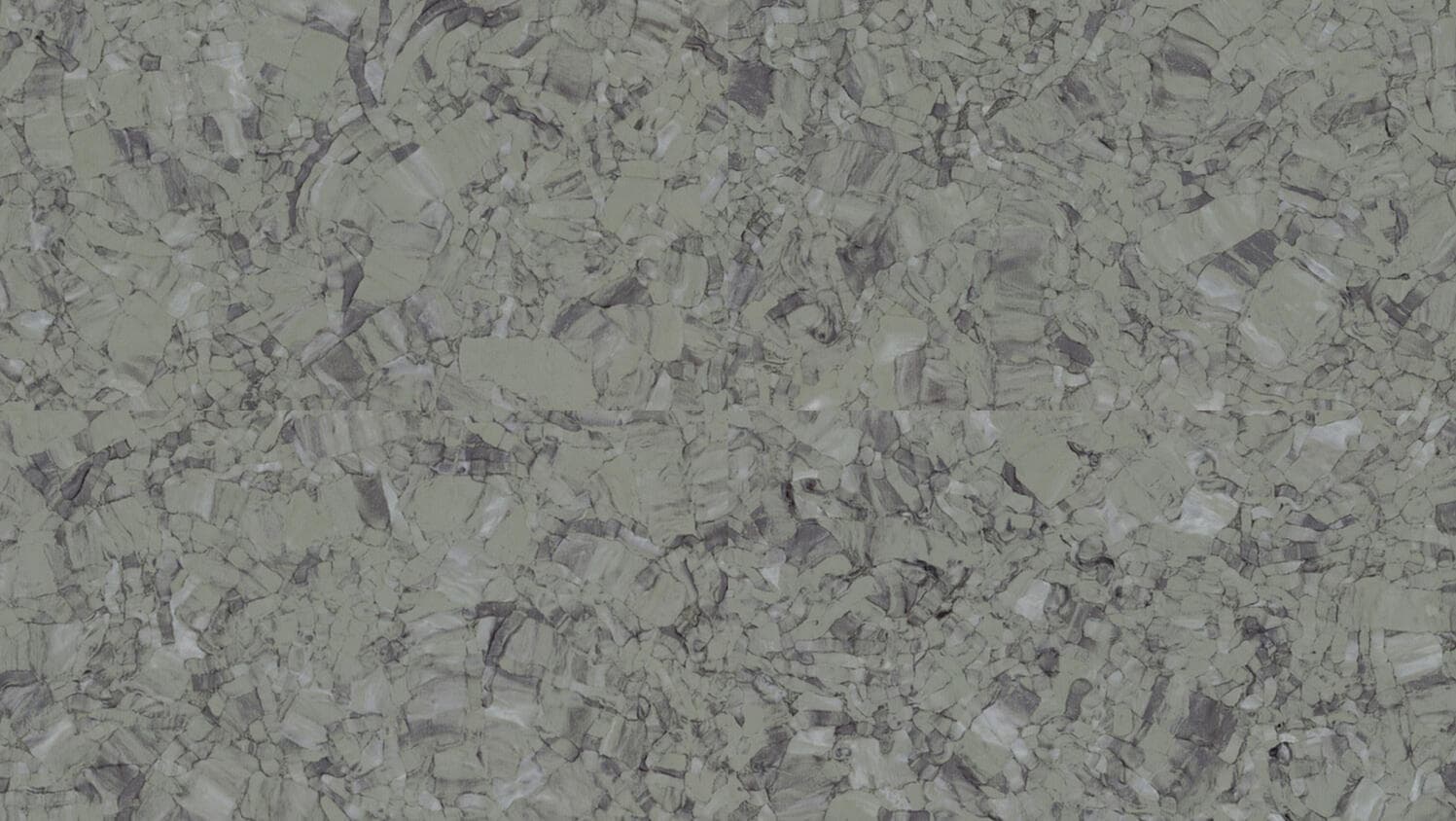
Megalit Graphite Green brings a sleek and contemporary feel to any interior. Its deep green-grey tone adds elegance and a sense of calm, making it perfect for homes, offices, and modern commercial spaces.

A deep black finish that brings sophistication and contrast while ensuring long-lasting resilience in high-traffic environments.