.png&w=128&q=75)
By Furnishings Editorial Team | Tue Jan 13 2026

Vinyl flooring has emerged as a very viable and economical option for contemporary houses and commercial interiors. In particular, very flooring has gained popularity in humid and moisture-prone areas where traditional options may struggle. This comparison breakdown describes the differences between the vinyl flooring and the traditional floor materials, what its pros and why this makes a difference when one is planning a flooring project. We shall discuss performance, installation, maintenance and space suitability, such as bathrooms and living rooms.
Vinyl flooring is composed of synthetic material, such as PVC (polyvinyl chloride), mostly but not made out of other substances, and is designed to be water resistant, supportive and durable. It encompasses sheet vinyl, luxury vinyl tiles (LVT) and vinyl planks (LVP). Vinyl is able to imitate wood, stone, or tile and it is also much easier to install and maintain, as compared to most other traditional floor materials. Vinyl is also usually waterproof and can therefore be used in wet rooms.

There is a wide variety of Traditional flooring that is typically used in construction and rehabilitation projects:
Traditional materials vary greatly in performance, cost and suitability by application. Many require professional installation and ongoing care.
Vinyl flooring for bathrooms that is manufactured using vinyl tiles and planks; this type of flooring is widely known to be highly resistant to water. On the other hand, the conventional materials like the ceramic tile also prevent water; however, the materials may require the use of grouts that seal and maintain the tiles to be sure that no water trickles down the cracks. Natural wood and laminate cannot be used in areas that are prone to moisture as they are likely to swell and be warped by the moisture.
Vinyl flooring and tiles outperform laminate and wood in wet areas.
The vinyl flooring is also simpler and frequently cheaper to install compared to most of the conventional floors. Peel-and-stick vinyl tiles, as well as click-lock vinyl planks, have low installation needs and can be installed by anyone, in fact, as a DIY project.
Conventional materials such as natural stone or ceramic tiles usually involve more complicated installation such as subfloor preparation, mortar, grout and expert labour. This may add up to more project cost and time.

Cleaning and maintaining vinyl is straightforward: regular sweeping and damp mopping keep surfaces clean without special products.
Traditional materials like ceramic or stone are also cleaning up, whereas the edges between the grout could need a regular seal and stain remove. The cleaning of hardwood flooring needs special cleaners to conserve the wood finishing.
Vinyl flooring is unique in that it is water-resistant, easy to install and relatively cheaper than most of the conventional flooring materials. It can especially be applied in areas that are exposed to moisture such as bathrooms, kitchens, and utility areas. More traditional materials such as ceramic tile and hardwood are more durable and traditional in look, but may be more costly, more difficult to install and more expensive to maintain.
For the best balance of practicality and long-term performance, vinyl flooring is an excellent choice for residential and commercial projects that demand waterproof, low-maintenance flooring solutions. Explore options with Furnishings to find the right flooring type for your next renovation.
Yes, modern vinyl flooring is highly water-resistant and suitable for bathrooms and other high-moisture areas when installed correctly.
In many cases, vinyl can replace tiles, especially where waterproofing, ease of installation, and cost are priorities.
With proper care, quality vinyl flooring can last over a decade, and many products offer long warranties.
Yes, basic sweeping and damp mopping keep vinyl flooring clean; it requires minimal specialised maintenance.
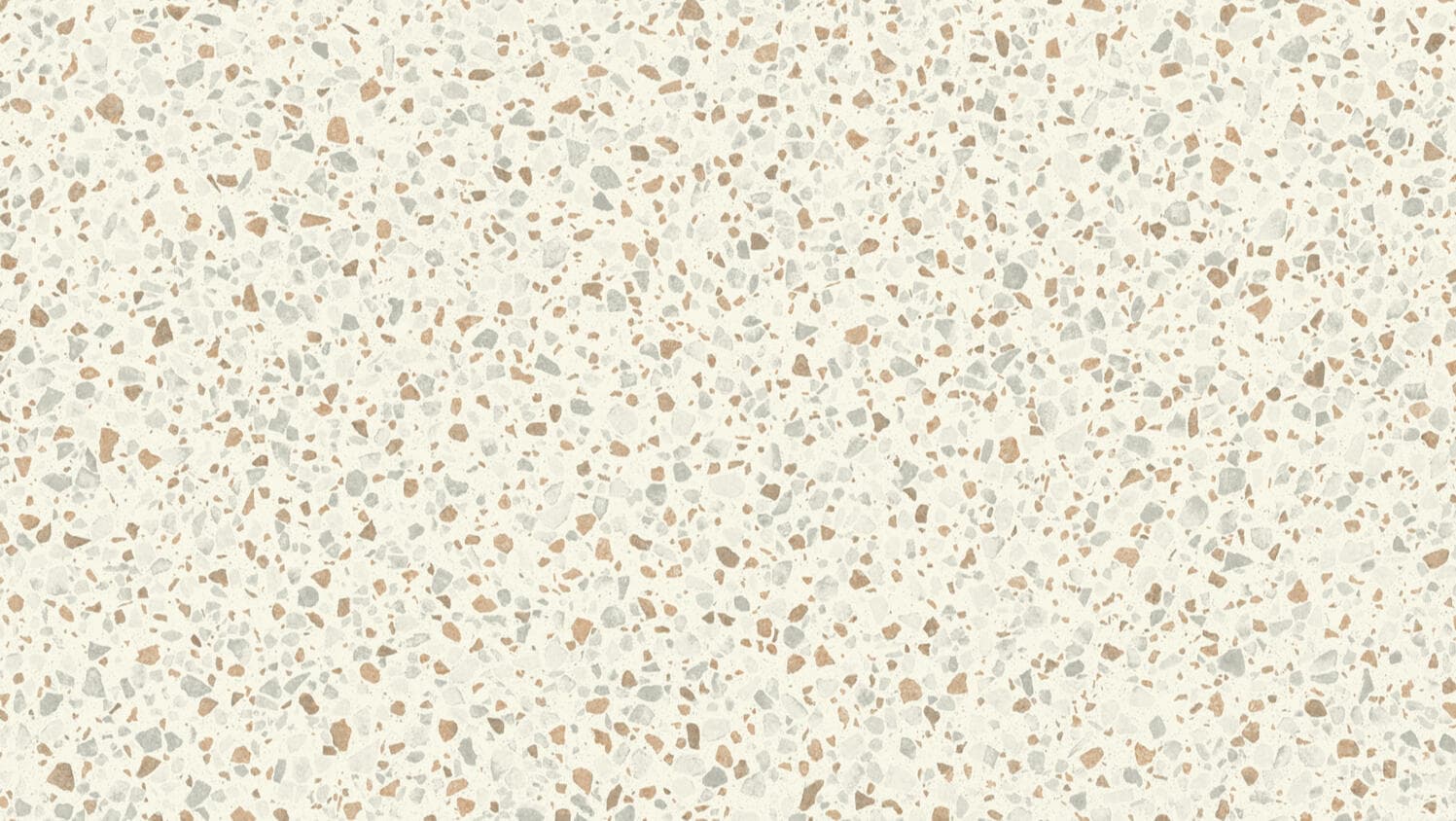
Explore this premium flooring solution.

Granit Soft Light Grey creates a sleek and modern backdrop for any space. Its soft, neutral tone blends seamlessly with a wide range of design styles, making it a timeless choice for homes, offices, and commercial interiors.
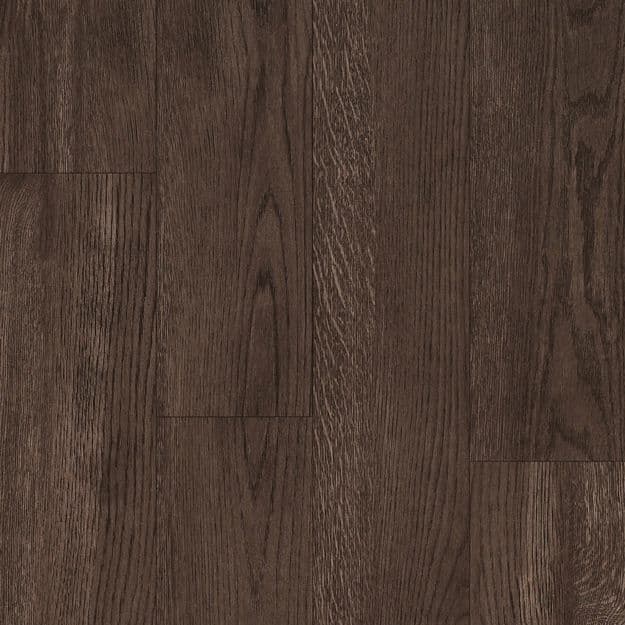
Explore this premium flooring solution.
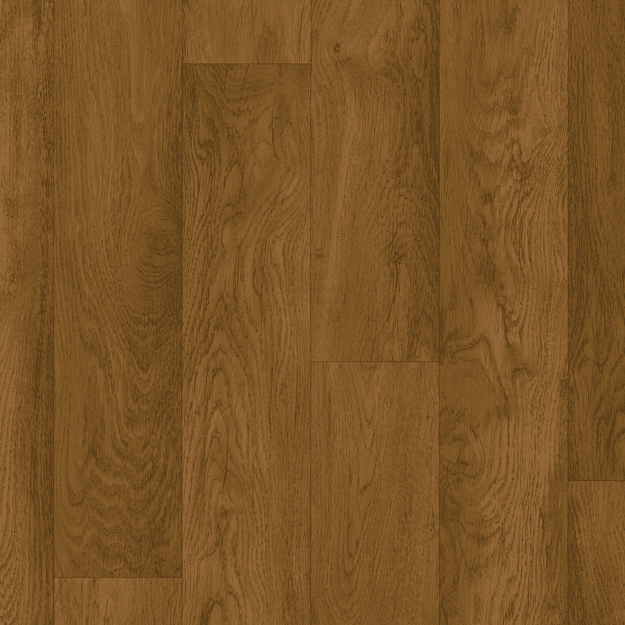
Explore this premium flooring solution.