.png&w=128&q=75)
By Furnishings Editorial Team | Tue Jan 06 2026

Choosing the right flooring affects comfort, upkeep, and long-term cost. Many homeowners compare basic options like tiles or laminate with high quality sheet vinyl, but are unsure how they truly differ. This blog breaks down the key differences in performance, installation, maintenance and value. It is written for homeowners, renovators and enterprise owners who need practical information, no longer sales fluff. You will study how each alternative works excellently and a way to healthy flooring to actual-global needs which includes moisture, site visitors and day by day put on.
Sheet vinyl comes in large, continuous rolls. Premium versions are built with:
Unlike older vinyl, modern sheets feel firm underfoot and stay stable in humid climates. They are designed for kitchens, bedrooms, offices, and even light commercial areas.
You will often see high quality sheet vinyl used in:

Standard flooring usually refers to common options like:
These materials are widely available and affordable. They work well in many spaces but often require:
Each type has strengths, but they are not always ideal for wet zones or high-traffic rooms.
Sheet vinyl is fully waterproof. Spills, mopping, and humidity do not affect it.
Tiles resist water, but grout absorbs moisture. Laminate swells when wet.
Sheet vinyl covers a room in one piece. This:
Standard flooring uses joints, which collect dust and stains over time.
Vinyl sheets feel warmer and softer than tiles. They reduce noise and are easier on joints. Hard flooring can feel cold and loud, especially in apartments.
Sheet vinyl installs in hours, not days. Tiles and laminate need leveling, cutting, and curing.
While tiles may last longer, sheet vinyl:
For many homes, this offers better value.
Modern sheet vinyl now matches:
This allows one floor covering solutions, creating visual flow. Standard flooring often forces mixed materials between spaces.

For busy homes, low-maintenance surfaces save time and cost.
Both options have value, but the differences are clear. Sheet vinyl offers water opposition, fast installation, comfort and simple care. Classic flooring provides tension and long-term durability, but comes with better upkeep. The right desire relies on room use, price range and lifestyle. For professional recommendations and tailored ground overlaying answers, consult an expert who knows each product and overall performance. Start your upgrade with Furnishings.
Yes. It is waterproof and seamless, making it ideal for wet areas.
Modern designs closely mimic wood and stone, offering a premium appearance.
With proper care, it can last 10–20 years in residential spaces.
In many cases, yes. A smooth base allows faster installation and lower cost.
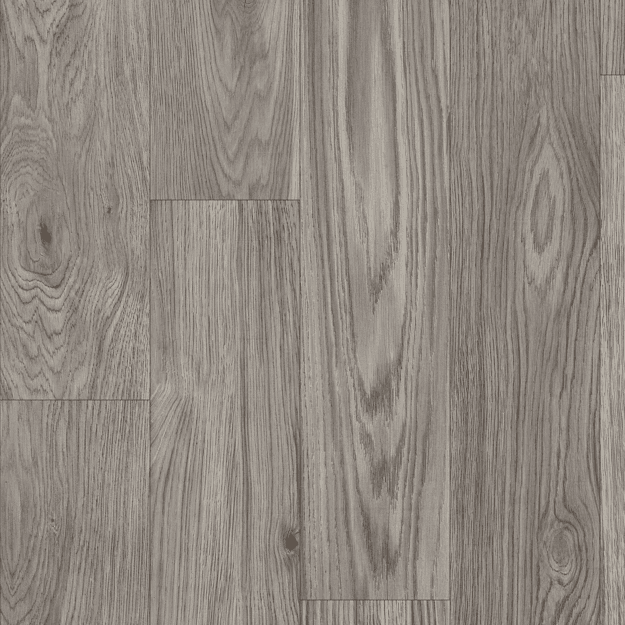
Explore this premium flooring solution.

This light blue shade introduces a calm and airy vibe, making interiors feel open, fresh, and inviting. Its soft tone pairs beautifully with minimalist or coastal-inspired décor, while adding a touch of color that remains subtle and sophisticated. With premium durability and easy maintenance, it’s the perfect option for creating a modern yet relaxing space.

Explore this premium flooring solution.
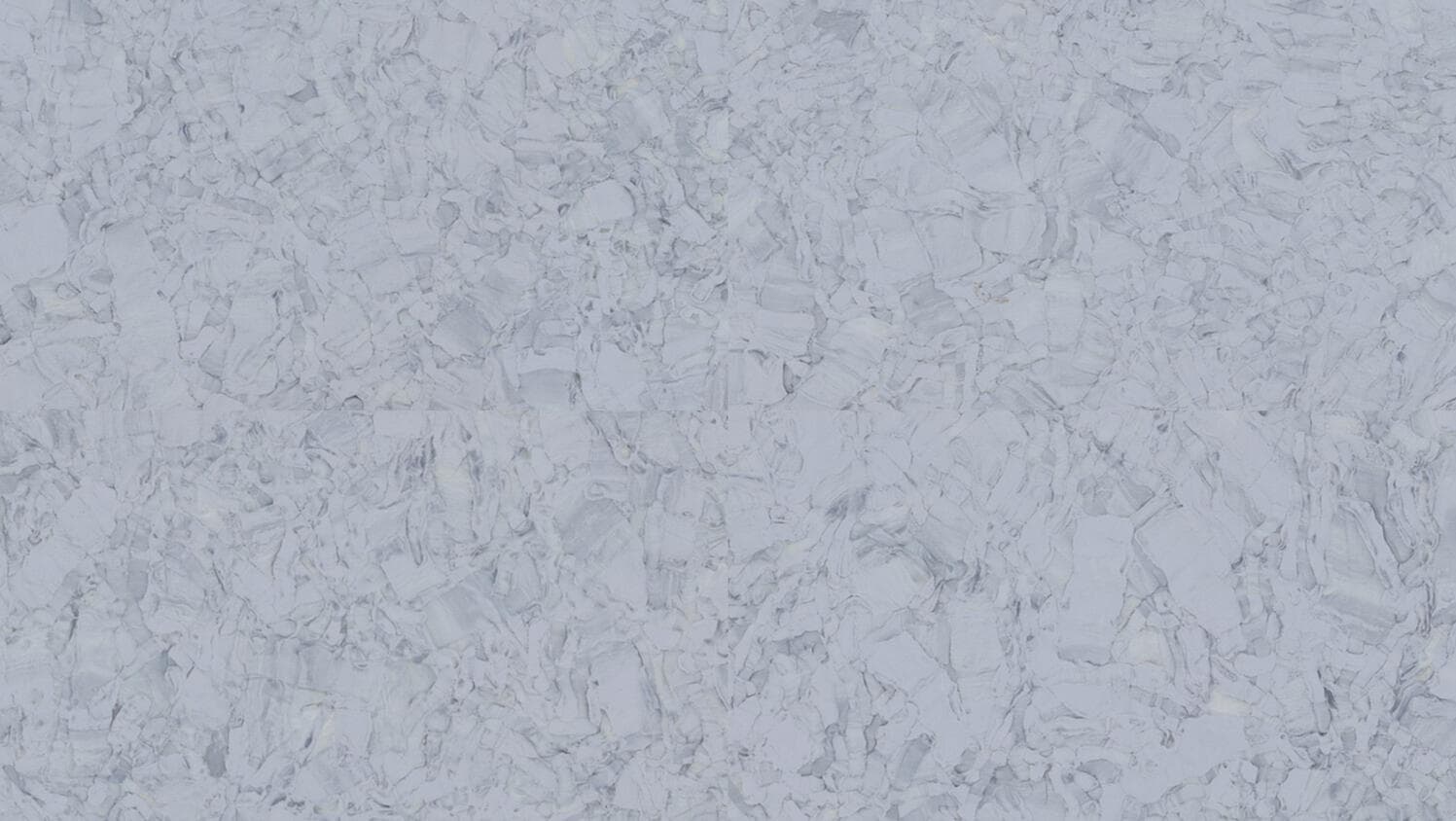
Megalit Pastel Blue brings a refreshing touch of color to interiors. Its soft tone creates a calm and airy atmosphere, making it ideal for bedrooms, offices, and spaces where a soothing, modern look is desired.